A pulmonologist is a doctor who specializes in caring for the lungs. They find and treat lung problems. They also work with you and your primary doctor to manage long-term lung conditions.
The health of your lungs plays a big role in your ability to enjoy an active, fulfilling life. Let's look at some ways you can keep your lungs in good shape.
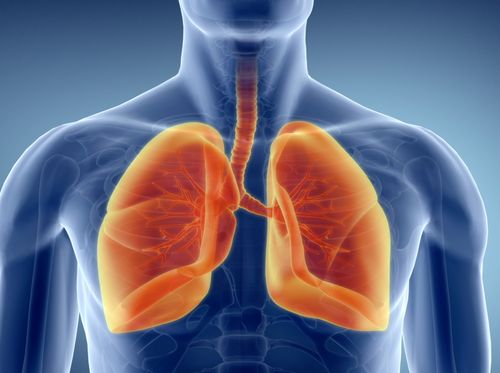
Your lungs are the main part of your respiratory system. Let's take a moment to learn more about these vital organs.
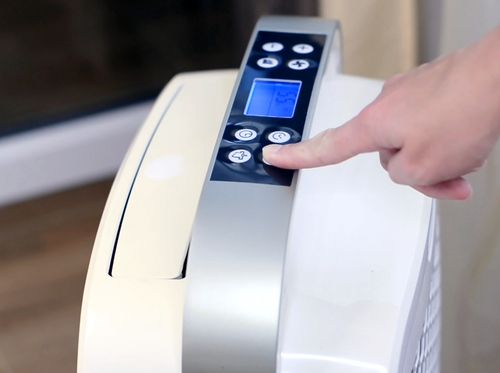
This device removes moisture from the air in your home. It helps when the humidity is too high. This is often a problem during the hotter months. High humidity can lead to health problems for some people. Let's take a moment to learn more.
This device adds moisture to the air in your home. It helps during times when the air is dry and uncomfortable to breathe. This is often a problem in the colder months. Let's take a moment to learn more.
This is an infection in the smallest passageways of the lungs. It causes the passageways to swell and fill with mucus. Bronchiolitis is most common in children under the age of two. Some children only have mild symptoms. But it can be serious.
Your lungs are a pair of organs that are part of your respiratory system. They bring oxygen into your body. And they rid your body of carbon dioxide, a waste product your cells create. Let's take a minute to learn about these organs.
This is an inflammation of your airways. It can involve your windpipe and your bronchi. These are the passageways that carry air into and out of your lungs. For some people, bronchitis can become a chronic problem.
This upper airway infection is most common in young children. It causes a barking cough and makes breathing difficult.
This is a disease that affects your mucus and sweat glands. It causes the mucus your body produces to be thick and sticky. In your lungs, sticky mucus can clog your airways. This makes it hard for you to breathe. It also provides a place for bacteria to grow. That can lead to frequent lung infections.
This is a chronic and progressive disease of your lungs. It involves the tiny air sacs, called "alveoli", at the ends of the air passages in your lungs. In healthy lungs, these sacs inflate and deflate as you breathe. But with emphysema, the walls of these sacs break down. The sacs begin to rupture. This interferes with your lungs' ability to cycle air properly.
This happens when air sacs in your lung deflate, either partially or completely. They can't fill with air. They may fill with fluid. This can happen to air sacs in just one section of your lung (which we call a "lobe"). Or, the entire lung can collapse.
This happens when a pocket of air builds up in the space between your chest wall and one of your lungs. The air pocket presses and forces air out of your lung. And when you try to breathe in, your lung has no room to hold the air. It has collapsed.
When you breathe, your blood takes in oxygen. And it gets rid of a waste gas called "carbon dioxide." When you have respiratory failure, this process isn't working like it should. You may not get enough oxygen to meet your body's needs. You may not remove enough carbon dioxide from your blood. Or, you may have both problems.
This is a life-threatening condition. It happens when you breathe in too much carbon monoxide. That's a gas that you can't see, smell or taste. As you breathe it in, it builds up in your bloodstream. It takes the place of oxygen, and is carried to all the cells of your body. These cells don't get the oxygen they need. Soon, they stop working and die.
This is when a baby's lungs haven't grown as they should during pregnancy. This can make it hard for your baby to breathe when they are born. Let's take a moment to learn more.
This is when you struggle to get enough air. Your chest may feel tight. You may have to work hard to breathe. Let's take a moment to learn more.
This virus, which we call "HMPV," infects your respiratory tract the way a cold or flu does. For most people, an infection isn't dangerous. But for babies, the elderly and people who have a weakened immune system, infections can be severe.
This is a cough that lasts for a long time. It can be a sign of a serious health problem. Let's take a moment to learn more.
This fungal infection is caused by a mold called "Aspergillus." The infection begins in the lungs, but it can spread to other organs. Let's take a moment to learn more.
This disease is a scarring of the lungs that makes your lung tissue stiff and thick. It makes it hard for you to breathe. And it makes it hard for your lungs to take in enough oxygen for your body's needs. Let's take a moment to learn more.
This is a high-pitched whistling sound that happens when air moves through narrowed or blocked airways in your lungs. You may notice it more when you breathe out. It can happen when you breathe in, too. Let's take a moment to learn more.
This is an inflammation and scarring of the lungs. It's caused by breathing in the dust or fumes of a lightweight metal called "beryllium," which is used in a variety of products. Let's take a moment to learn more.
This serious disease is caused by an infection of bacteria called "Corynebacterium diphtheriae." These bacteria make toxins that harm your body. Let's take a moment to learn more.
This is a range of tests that show how well your lungs are working. We use them to check the health of your lungs, and to monitor lung conditions and treatments. Let's look at some of the different tests.
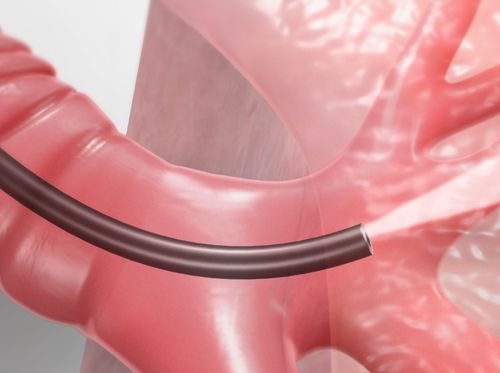
This procedure lets your doctor see the inside of your lungs. It's done with a lighted viewing device we call a "bronchoscope." Bronchoscopy can help your doctor get a better look in your lungs than we can see with an x-ray or scan. And, simple procedures can be done through the scope.
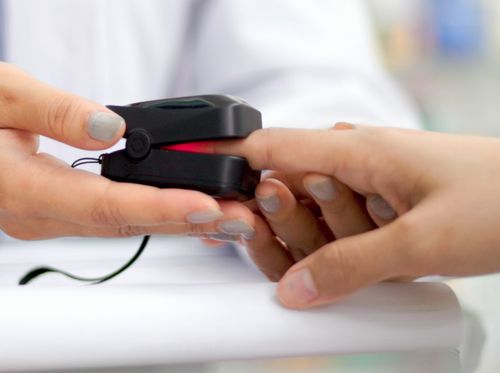
This device shines a light through your skin. It measures your heart rate and the amount of oxygen in your blood. It's a simple, easy-to-use tool you can use at home. It warns you if you're not getting enough oxygen when you breathe.
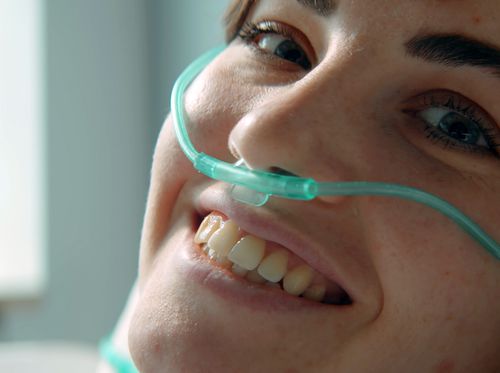
This treatment gives you extra oxygen to breathe. We use it for lung conditions. It helps with COPD, pneumonia and asthma. We also use it for other conditions that affect oxygenation of your blood, like heart failure. It's not a cure for these problems. But it helps you feel less breathless. It may help you stay more active. You need a prescription for this therapy.
This therapy treats obstructive sleep apnea and similar breathing issues. It gently pushes air into your airway to help you breathe while you sleep.
This test measures the amount of oxygen in your blood. We use it to make sure you're getting enough oxygen when you breathe.
This device gently pushes air into your airway while you sleep. We use it to treat sleep apnea, COPD, heart failure and other disorders. "BPAP" stands for "Bilevel Positive Airway Pressure."
This device gently pushes air into your airway while you sleep. We use it to treat sleep apnea and other sleep-related breathing disorders. "CPAP" stands for "Continuous Positive Airway Pressure."
This prescription drug prevents and treats symptoms linked to lung diseases such as asthma and chronic obstructive pulmonary disease (we say "COPD"). It helps with things like difficulty breathing, wheezing, shortness of breath, coughing and chest tightness. Albuterol is in a class of drugs we call "bronchodilators."