While you should receive a COVID-19 vaccine as soon as it is available to you, you may have questions. Here are some common questions. © TWN
Watch this to learn about influenza, the flu. It explains why a flu vaccine is important to help prevent this illness.
Watch this video to learn about RSV and the importance of getting the vaccine if you're age 60 or older.
Understand that there are disease causing germs all around us, but you can be protected from many of them by being vaccinated. Also, learn how a vaccine works in the body and recognize the importance of staying up to date with all of your vaccines.
There are two pneumococcal vaccines that protect people against pneumococcal disease.
Here is a schedule of vaccines recommended for adults. It comes from the CDC National Immunization Program.
Shingles is also called herpes zoster. It's a painful skin rash caused by the herpes zoster virus. This is the same virus that causes chickenpox.
Information on vaccines can change quickly. Use this link to get the latest vaccine information from the CDC.
Vaccines for COVID-19 are available. Here's what you need to know about them.
A viral vector vaccine for COVID-19 is available. Read on for details about it.
Dengue vaccine can help protect against dengue in people who have had dengue in the past. Dengue is caused by one of four viruses spread through the bite of an infected mosquito.
DTaP vaccine can prevent diphtheria, tetanus, and pertussis. Diphtheria and pertussis spread from person to person. Tetanus enters the body through cuts or wounds.
Hepatitis A vaccine can prevent hepatitis A. Hepatitis A is a serious liver disease.
Hepatitis B vaccine can prevent hepatitis B. Hepatitis B is a liver disease that can cause mild illness lasting a few weeks, or it can lead to a serious, lifelong illness.
Hib vaccine can prevent Haemophilus influenzae type b (Hib) disease. Haemophilus influenzae type b can cause many different kinds of infections. These infections usually affect children under 5 years of age but can also affect adults with certain medical conditions.
HPV (human papillomavirus) vaccine can prevent infection with some types of human papillomavirus. HPV infections can cause certain types of cancers.
Influenza vaccine can prevent influenza (flu). Flu is a contagious disease that spreads around the United States every year, usually between October and May.
Meningococcal ACWY vaccine can help protect against meningococcal disease caused by serogroups A, C, W, and Y. A different meningococcal vaccine is available that can help protect against serogroup B.
Meningococcal B vaccine can help protect against meningococcal disease caused by serogroup B. A different meningococcal vaccine is available that can help protect against serogroups A, C, W, and Y.
MMR vaccine can prevent measles, mumps, and rubella.
MMRV vaccine can prevent measles, mumps, rubella, and varicella.
Pneumococcal conjugate vaccine can prevent pneumococcal disease. Pneumococcal disease refers to any illness caused by pneumococcal bacteria. These bacteria can cause many types of illnesses, including pneumonia, which is an infection of the lungs.
Polio vaccine can prevent polio. Polio (or poliomyelitis) is a disabling and life-threatening disease caused by poliovirus, which can infect a person's spinal cord, leading to paralysis.
Pneumococcal polysaccharide vaccine (PPSV23) can prevent pneumococcal disease. Pneumococcal disease refers to any illness caused by pneumococcal bacteria. These bacteria can cause many types of illnesses, including pneumonia, which is an infection of the lungs.
Recombinant zoster (shingles) vaccine can prevent shingles. Shingles (also called herpes zoster, or just zoster) is a painful skin rash, usually with blisters.
Rotavirus vaccine can prevent rotavirus disease. Rotavirus commonly causes severe, watery diarrhea, mostly in babies and young children.
Td vaccine can prevent tetanus and diphtheria. Tetanus enters the body through cuts or wounds. Diphtheria spreads from person to person.
Tdap vaccine can prevent tetanus, diphtheria, and pertussis. Diphtheria and pertussis spread from person to person. Tetanus enters the body through cuts or wounds.
Varicella vaccine can prevent varicella. Varicella, also called "chickenpox," causes an itchy rash that usually lasts about a week. It can also cause fever, tiredness, loss of appetite, and headache.
Adenoviruses can cause illness that is usually mild, but can be serious in some cases.
People can get anthrax disease from contact with infected animals or contaminated animal products such as wool, meat, or hides.
The cholera vaccine used in the United States is an oral (swallowed) vaccine. Only one dose is needed.
Ebola vaccine is recommended by CDC for adults 18 years and older at high risk for potential exposure to Ebola virus .
Japanese encephalitis is spread through the bite of an infected mosquito. It does not spread from person to person.
RSV vaccine can prevent lower respiratory tract disease caused by respiratory syncytial virus (RSV). RSV can cause illness in people of all ages but may be especially serious for infants and older adults.
COVID-19 is caused by a coronavirus called SARS-CoV-2 that spreads easily from person to person. COVID-19 vaccine can prevent COVID-19 disease. Vaccination can help reduce the severity of COVID-19 disease if you get sick.
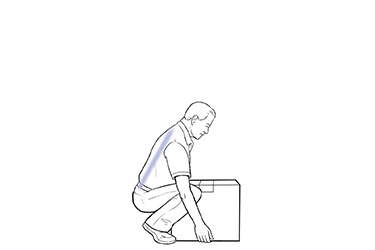
Here is how to lift safely.
In hot environments, your body may have trouble keeping its temperature at a safe level. As a result, your body temperature rises to unsafe levels. This is heat stress. Heat stress can develop quickly. It can also be very dangerous to your health.